

Keeping your heart healthy is standard medical advice because it remains the singular best measure of overall health to date (1).
There are several known adages that remind us of this importance and all notable superfoods tout some element of cardiac benefit (2,3).
Heart health as a pursuit is nothing new, nor is it something to take for granted.
Your Heart Deserves Some Extra Love...
The heart beats about 2.5 billion times over an average lifetime, pushing blood, oxygen, and nutrients to every organ in need (4).
It’s astonishing to consider the heart’s unceasing responsibility and the stress levels we expect it to sustain. Diet, lifestyle, and genetic factors play a major role in how well the heart performs as we age.
The most troublesome chronic conditions are either a form of heart disease or contribute to heart disease if unmanaged (4).
Overall, health has a direct effect on the heart and is the reason that heart disease remains the leading cause of mortality around the world (5).[1]
The ways that we’ve been told to approach heart health in the past mostly hinges on diet and exercise, healthy fats, and lowering cholesterol (6).
{recommended_product_1)
An Updated Approach
While the crux of this advice is still solid, new research findings have assembled a list of the absolute best nutrients, some new and some familiar, to offer the heart its most abundant benefit yet.
Whether your cardiovascular goal is to support healthy blood pressure, minimize risk factors for heart disease, or increase athletic performance, supplementing these nutrients offers the most potent, heart-smart advantage to date!
Vitamin D3
Well known as a trusted source for heart health benefits, Vitamin D3 is recommended out of an abundance of clinical research and long-term data tracking.
A diverse set of studies has now confirmed that Vitamin D plays a myriad of roles in health and wellness, treatment, and recovery.
Way beyond the need for ensuring calcium production and bone strength, tests that measure Vitamin D within the body also function as strong predictors and warnings of heart health conditions likely to arise (7).
In long-term observational studies, people with the lowest blood levels of vitamin D have had higher rates of cardiovascular events than those with the highest levels (8).[2]
Vitamin D is essential for overall health, but large randomized trials have not shown that vitamin D supplements reduce heart attacks or strokes, so it is best seen as one part of a broader heart-healthy routine (9).[3]
Managing heart health with Vitamin D stems from its role in supporting the healthy lining of blood vessels and a healthy inflammatory response.
When blood vessels heal, they regain their elasticity which opens a wider passage for blood, oxygen, and nutrients to freely flow, all of which relieves undue stress placed on the heart (10).

Garlic + Olive Leaf Extract
Garlic and Olive Leaf are traditional components of both Mediterranean cuisine and regional folk medicine.
Garlic and olive leaf have long been used in traditional practices, and both contain antioxidant compounds that support overall wellness (11).
The strong sulfur compounds in garlic are essentially chemical protectors from free radical damage throughout the body. Their antioxidant effects support the digestive tract and blood vessels (12).
This also makes garlic and olive leaf a good fit for immune support, as digestive health is closely linked to immune response (13).
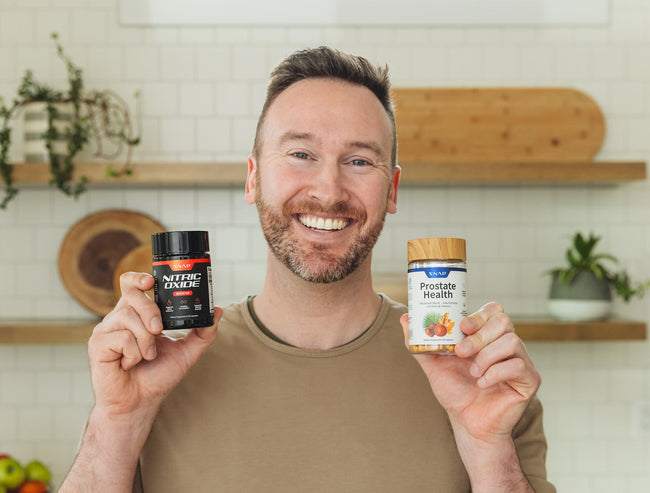
Garlic’s main heart-health superpower is aiding the production of Nitric Oxide, a gas molecule made within the lining of blood vessels that widens veins to support healthy blood pressure (14).
Healthy blood pressure is key to long-term cardiovascular health (15).[4] Combined, garlic and olive leaf have copious heart health benefits.
Also, doing heavy lifting beyond its antioxidant content, olive leaf is known to increase insulin production and help keep blood sugar balanced. Olive leaf extract has been studied for its role in supporting healthy blood sugar levels already within the normal range (16).

Hawthorn Berry + Turmeric
The Hawthorn berry is an herbal Chinese remedy that has been used for centuries to support digestion and heart health. Its antioxidant polyphenols are some of the strongest anti-inflammatory compounds found in nature.
Studies on Hawthorn Berry suggest regular use may help support healthy blood pressure. This is thought to come from antioxidant and vasodilating properties that help protect cells and support healthy cholesterol levels (17).
When taken alongside modern medications, thousands of participants saw positive results including improved heart function, more available energy, and increased endurance (18).
Turmeric is a standalone spice for flavor and health properties alike; many are as familiar with its storied superfood claims as much as its rich pigment. For these reasons, turmeric is one of the most studied and credible natural remedies.
Its active compound, curcumin, has been studied for its role in supporting a healthy inflammatory response.
We think of inflammation as a marker of disease or infection, but inflammation in itself wreaks havoc on the body, causing pain and damage wherever its presence is prolonged (19).
This is why the very best turmeric supplements that tame inflammation include black pepper and better yet, a more concentrated form of black pepper known as BioPerine.
This high-potency combination increases the absorption rate of turmeric by 2,000% and amplifies its total vascular, digestive, and reparative benefits (20).

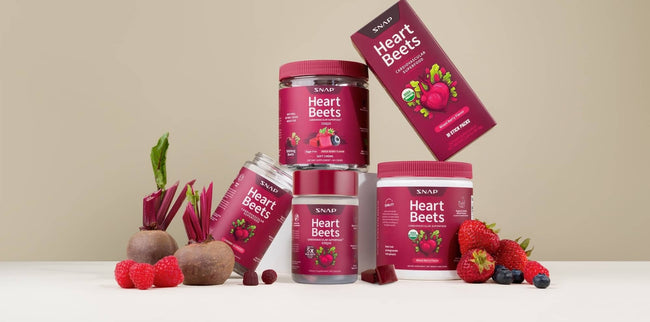
Organic Beet Root Powder + Pomegranate
Many red and purple fruits and vegetables get their color from antioxidant pigments, such as anthocyanins in pomegranates and betalains in beets. They are some of the strongest free-radical fighting antioxidants and directly benefit the cardiovascular system.
As we know of other antioxidant-laden foods and spices, antioxidants keep the cellular walls of blood vessels healthy and elastic, regulating blood flow normally, allowing free exchange of oxygen and nutrients (22).
Organic Beet Root and pomegranate are attracting well-deserved notoriety for their specific heart-protective properties as well. Beets are high in dietary nitrates and pomegranates enhance the function of its eventual variation, nitric oxide (23). The body can recycle dietary nitrate into nitrite and then nitric oxide, a molecule that helps blood vessels relax and supports healthy blood flow (24).[5]
As we age, the body produces less natural Nitric Oxide and is therefore thought to be a major hindrance for those with worsening blood pressure (25).
An increase in dietary nitrates and in turn, Nitric Oxide creates effects felt within a few short hours and over a period of weeks and can contribute to significantly support healthy blood pressure numbers altogether (26).
Better Function, Higher Performance
Heart health nutrients do a lot more than support healthy blood pressure and a healthy inflammatory response; enhanced blood flow delivers an adaptogenic edge for athletes and abundant stamina. Because circulatory support allows more oxygen and nutrients to reach working muscles, it may help support exercise performance and recovery (27).
Exhaustion is an all-too-common barrier to reaching fitness targets and performing at a higher level. Targeted nutrients offer the inspired runner, lifter, or weekend warrior an exciting new path to dominating their goals.
There is never a better time to focus on your heart health than the present and when it comes to choosing preventative measures, these nutrients top the list.
Supplements are more targeted, potent, and effective than ever before and can meet the needs of those striving for perfection or progress towards a healthy baseline.
What matters most is starting where you’re at and taking the time to incorporate the most critical nutrients that a cardiovascular system needs to thrive.
Sources
- Roth GA, Mensah GA, et al. Global Burden of Cardiovascular Diseases and Risk Factors, 1990-2019: Update From the GBD 2019 Study. J Am Coll Cardiol. 2020. PubMed
- Jani R, Mhaskar K, et al. Circulating 25-hydroxy-vitamin D and the risk of cardiovascular diseases. Systematic review and meta-analysis of prospective cohort studies. Nutr Metab Cardiovasc Dis. 2021. PubMed
- Barbarawi M, Kheiri B, et al. Vitamin D Supplementation and Cardiovascular Disease Risks in More Than 83 000 Individuals in 21 Randomized Clinical Trials: A Meta-analysis. JAMA Cardiol. 2019. PubMed
- Ettehad D, Emdin CA, et al. Blood pressure lowering for prevention of cardiovascular disease and death: a systematic review and meta-analysis. Lancet. 2016. PubMed
- Lundberg JO, Weitzberg E, et al. The nitrate-nitrite-nitric oxide pathway in physiology and therapeutics. Nat Rev Drug Discov. 2008. PubMed

 Applied!